
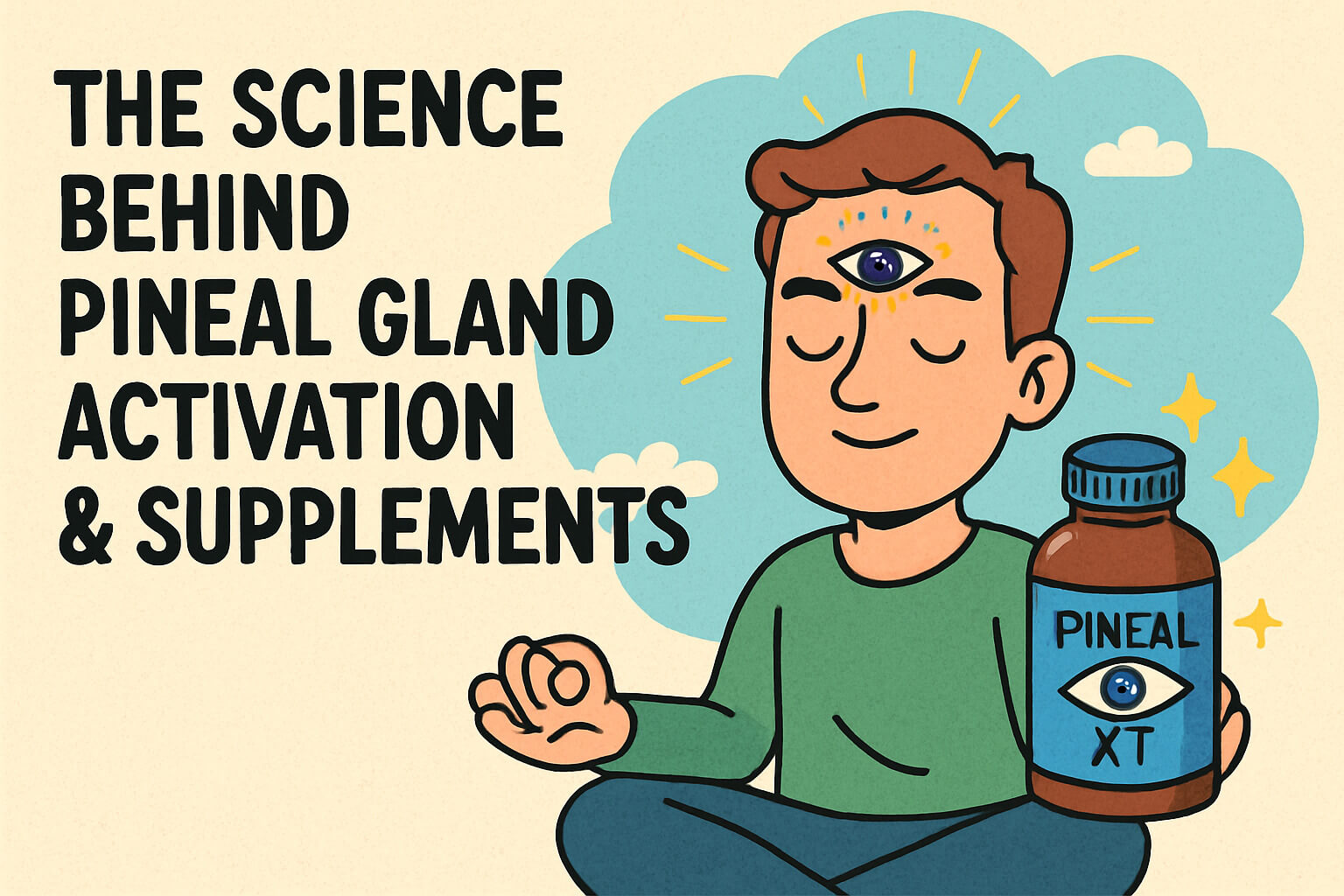
If you’ve ever felt there’s more to your mind than meets the eye, you’re right. Deep in the center of your brain, about the size of a pea, lies a mysterious yet powerful gland: the pineal gland. For centuries, it has been associated with intuition, creativity, mental clarity, and a deeper sense of awareness. But beyond the mystique, modern science is uncovering fascinating facts about how this tiny gland works and how we can support its optimal function.
In this article, we’ll explore the science behind pineal gland activation, the role it plays in your body, and how certain natural supplements may help keep it functioning at its best.
What Is the Pineal Gland and Why It Matters
The pineal gland is a small endocrine gland located between the two hemispheres of your brain, in a groove where the two halves of the thalamus join. Its primary role is to regulate biological rhythms by producing and regulating hormones—most notably melatonin.
Melatonin is responsible for controlling your sleep-wake cycles, helping your body align with the natural rhythm of day and night. But research suggests the pineal gland may also play a part in regulating mood, reproductive hormones, and even cognitive performance.

The Science of Pineal Gland Activation
When we talk about “activation” of the pineal gland, it’s not about flipping a magical switch. It’s about creating the ideal conditions for this gland to operate efficiently and harmoniously with the rest of your brain and body.
1. Light Exposure and Melatonin Regulation
Your pineal gland’s melatonin production is influenced heavily by light. Exposure to bright light during the day—and minimizing artificial light at night—helps maintain healthy melatonin cycles. This is why spending time outdoors in natural light is one of the simplest ways to support pineal function.
2. Sleep Quality
Your pineal gland works hardest when you’re asleep, producing melatonin and helping the body rejuvenate. Poor sleep disrupts this process. A consistent sleep schedule, a dark bedroom, and limited screen use before bed can make a noticeable difference.
3. Nutrient Support
Like any organ in the body, the pineal gland benefits from proper nutrition. Certain vitamins, minerals, and antioxidants help protect it from oxidative stress and environmental factors that could impair its function.
4. Mind-Body Practices
Meditation, breathing techniques, and mindfulness exercises may stimulate brain activity in a way that supports pineal gland function. Studies suggest that deep relaxation can influence the production of melatonin and promote brain coherence.
Factors That May Affect Pineal Gland Health
While your pineal gland is resilient, it can be influenced by lifestyle choices and environmental factors. Common influences include:
- Excessive blue light exposure at night – disrupts melatonin production.
- Poor diet – lacking essential nutrients needed for hormonal balance.
- Chronic stress – affects hormone regulation across the entire endocrine system.
- Toxins and pollutants – may cause oxidative stress in brain tissue.
Understanding these factors empowers you to take steps toward maintaining a healthy, active pineal gland.
Supplements That Support Pineal Gland Function
While supplements are not magic pills, they can help provide the nutrients and antioxidants your body—and your pineal gland—need to function well. Here are some natural options backed by research:
1. Melatonin
A direct supplement form of the hormone your pineal gland produces. While best used short-term for jet lag or sleep disturbances, melatonin can help reset circadian rhythms.
2. Vitamin D3
Vitamin D receptors are present in the brain, including areas near the pineal gland. Adequate vitamin D levels support mood regulation and hormonal balance.
3. Magnesium
This mineral supports relaxation, nervous system health, and quality sleep—indirectly helping the pineal gland perform its nightly duties.
4. Omega-3 Fatty Acids
Found in fish oil and certain plant sources, omega-3s support brain health, reduce inflammation, and may enhance cognitive performance.
5. Iodine
Iodine plays a role in hormone production and has been linked to overall endocrine system health.
6. Herbal Adaptogens (Ashwagandha, Rhodiola)
These help the body adapt to stress, supporting overall hormonal harmony.
Spotlight: Pineal XT – Natural Support for Pineal Activation
For those seeking a more targeted approach, Pineal XT is a supplement designed to help awaken and support the pineal gland, often referred to as the “third eye.” Formulated with a blend of natural botanicals and nutrients, Pineal XT aims to promote overall brain clarity, enhance natural melatonin cycles, and assist in the gentle decalcification process of the pineal gland.
Calcium buildup over time, sometimes referred to as calcification, can affect the pineal gland’s efficiency. Pineal XT includes ingredients traditionally associated with cleansing and supporting brain health, making it a valuable addition for those who want to nourish their pineal gland while also supporting relaxation, focus, and inner clarity.
As with any supplement, consistency and a healthy lifestyle work hand in hand. Pineal XT is most effective when paired with good sleep hygiene, stress management, and a nutrient-rich diet.

Lifestyle Practices for Optimal Pineal Function
Supplements work best when paired with healthy daily habits. Here are some proven practices:
- Morning Sunlight Exposure – Helps set your body clock and regulate melatonin.
- Digital Detox Before Bed – Reduce screen time to allow melatonin production.
- Nutrient-Dense Diet – Include leafy greens, nuts, seeds, fatty fish, and colorful vegetables.
- Regular Meditation – Calms the mind and may encourage brainwave states beneficial for pineal health.
- Hydration – Supports optimal circulation and nutrient delivery.
- Stress Management – Through breathwork, yoga, or nature walks.
The Bigger Picture
Supporting your pineal gland isn’t just about better sleep or clearer thinking—it’s about helping your entire mind-body system work in harmony. When your sleep cycles are aligned, your mood is balanced, and your brain functions optimally, you experience a greater sense of clarity, focus, and vitality.
And here’s the exciting part: the steps you take to support your pineal gland—like better sleep habits, proper nutrition, and mindful living—have a ripple effect. They boost your overall wellness, energy levels, and quality of life.

Final Thoughts
The pineal gland may be small, but its influence is mighty. Modern science confirms what ancient wisdom has long suggested: caring for this tiny gland can bring profound benefits. By combining smart lifestyle choices with targeted nutritional support, you can help your pineal gland function at its best—naturally and safely.
So start today. Step into the sunlight in the morning. Eat nutrient-rich foods. Manage stress. And if you choose, explore high-quality supplements like Pineal XT to give your pineal gland that extra edge. You might just find that this little gland holds the key to a sharper mind, better mood, and deeper connection with your own inner potential.